2 min read

Bridging the Health Care Gap in Rural Communities
By Signify Health Team on 8/26/26, 9:00 AM

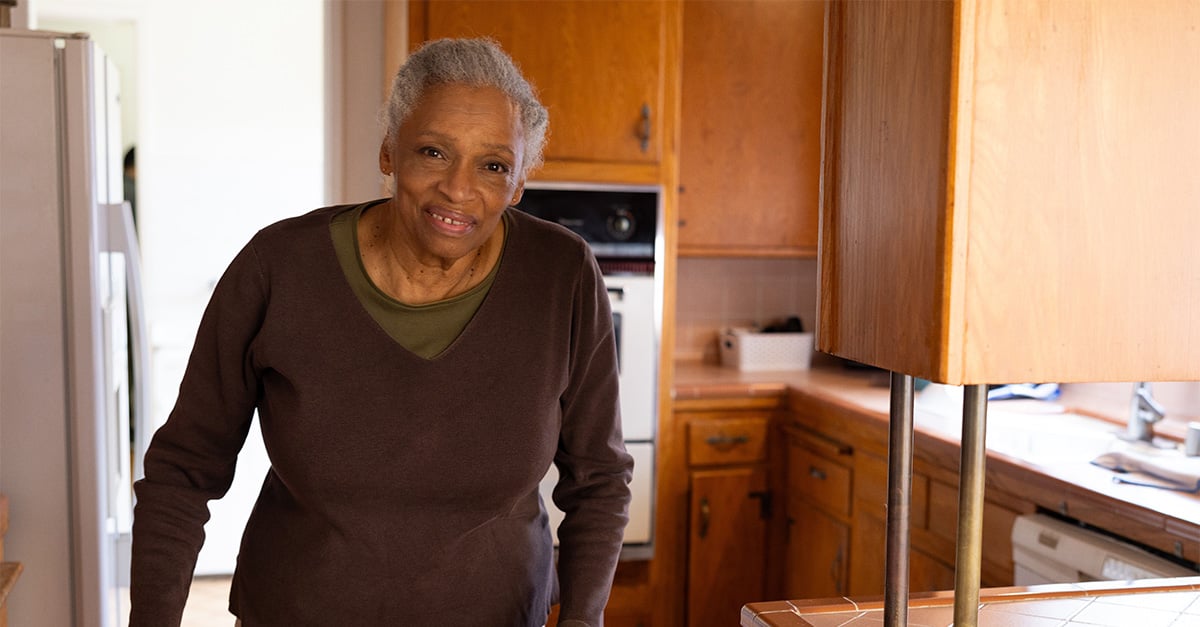
Preventive health care saves lives, but for people living in rural areas, access is limited.

Topics: Individuals and Families In-Home Health Featured

2 min read

Close to Home: A Conversation with Nurse Practitioner Crystal Adams

By Signify Health Team on 8/25/26, 9:00 AM

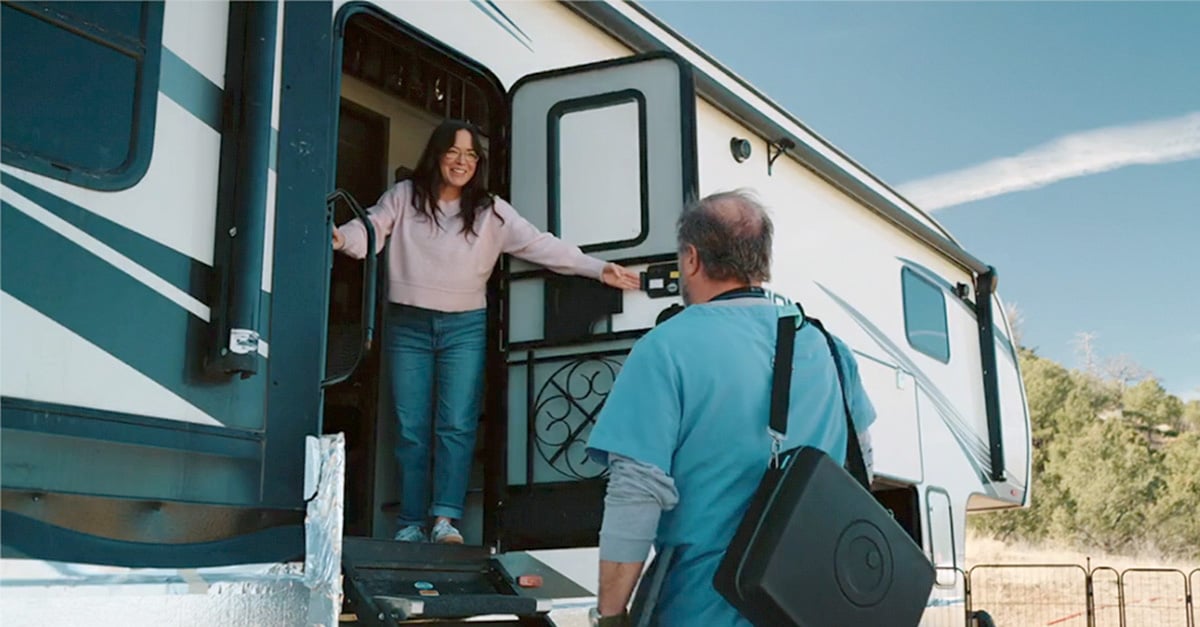
Crystal Adams, a family nurse practitioner with Signify Health, views her role as more than just a job: it’s a dedicated effort to meet the unique needs of vulnerable populations. The heart of her work lies in genuine connection.

Topics: Careers Clinician Stories In-Home Health Featured

3 min read

Why is an In-Home Health Evaluation Offered at No Cost?

By Signify Health Team on 8/4/26, 9:00 AM

Many people are surprised to learn an In-Home Health Evaluation (IHE) from Signify Health is offered through their health insurance (also called health plan) at no extra cost. It is normal to wonder why there is no charge or if there is a catch.

Topics: Individuals and Families In-Home Health Featured

5 min read

What the Home Reveals: A Conversation on Earlier Dementia Detection with Heidi Schwarzwald, MD, MPH

By Signify Health Team on 7/21/26, 1:35 PM

Signify Health’s chief medical officer, Heidi Schwarzwald, MD, MPH, provides strategic leadership for Signify Health’s nationwide clinician network by championing clinical excellence in In-Home Health Evaluations (IHEs); shapes Signify Health’s clinical vision, overseeing quality and safety initiatives; and supports new product development. 

Recently, Dr. Schwarzwald authored a white paper on the innovative ways Signify Health is helping providers and health plans detect dementia earlier, supporting intervention and care planning. 

In, “Why the Home is an Ideal Setting for Dementia Detection and Care Planning,” Dr. Schwarzwald asserts that the home is often a more effective and revealing setting for identifying cognitive impairment. In the paper, she details recent developments in earlier detection and substantiates her findings with data collected from Signify Health’s national network of more than 11,000 licensed clinicians (composed of physicians, physician assistants and nurse practitioners). 

The paper is significant and timely with dementia being identified as a rising public health challenge. Currently, an estimated 6.7 million Americans aged 65 and older are affected. Alzheimer’s disease, the most common form of dementia, accounts for 60% to 80% of all cases1.

Following the publication of her paper, we sat down with Dr. Schwarzwald to learn more.

We’ve long thought of the doctor’s office as the center of health care. What does it mean to rethink the home setting as one of the most important places for detecting cognitive decline? 

I think about a member I saw recently in his home. He is a retired lawyer and would go to his doctors appointments and pass cognitive testing pretty easily. With his level of education and focus on “getting a good score,” he did well. 

But in his home and with his spouse, I could start to see the subtle signs of decline. His conversation would drift a bit between past and present. He was forgetting dates, and while he packed his medication pill box weekly and managed to take them as prescribed, his wife was reminding him and ensuring he complied more then I think either of them were aware. These early changes may be missed in an office setting, but can be more readily seen in the home.

Topics: Individuals and Families In-Home Health Diagnostic and Preventative Services Featured

3 min read

How Evgeniya Berger, NP, Brings Compassion and Understanding to Every In-Home Visit

By Signify Health Team on 7/14/26, 11:30 AM

For Evgeniya (Ev) Berger, ARNP, DNP, every in-home visit begins with the same intention: Meet the health plan member where they are.

Topics: Careers Clinician Stories Individuals and Families In-Home Health Featured