

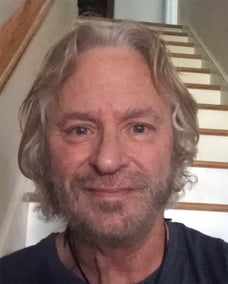
 His classroom may look different than it once did, but the teacher in David Paulk, physician assistant (also known as physician associate or PA), is still very much present.
Now, those lessons happen across kitchen tables, on front porches and in living rooms. They might begin with a question about an In-Home Health Evaluation (IHE), a conversation about a member’s health or simply giving someone the space to talk.
“I was a professor for many years, so teaching is just part of who I am,” David said. “If I’m completing part of the evaluation, I explain what I’m doing and why. I hear members say, ‘No one has ever explained that to me before.’ People should feel comfortable asking questions and understanding what’s happening with their own health.”
National PA Week, celebrated each year from October 6 through October 12, recognizes the contributions PAs make to people and communities across the country. For David, those contributions have taken many forms, from emergency medicine and educating future PAs to now meeting health plan members in the place they know best: home.
A teacher at heart
While David’s career began in emergency medical services, he went on to spend two decades educating future PAs. Throughout his academic career, he served as a clinical coordinator at Rutgers University, an academic director at Arcadia University and the Founding Program Director and Professor at both Ohio Dominican University and Mary Baldwin University’s Murphy Deming College of Health Sciences.
“I loved teaching. I absolutely loved it,” he said. “Helping someone understand something they didn’t understand before is incredibly rewarding. I think that part of me never really went away.”
Today, his classroom looks a little different.
Instead of standing in front of students, David now shares what he knows in members’ homes throughout Virginia’s Shenandoah Valley.
“I want people to understand. If I’m taking someone’s vitals or asking them questions about their health, I don’t want it to just happen without explaining it,” he said. “I want the person to know that they can also ask me questions and be part of the conversation, especially when it’s about their health.”
Meeting members where they are
When David enters a member’s home, he wants the visit to feel like a conversation between two people. One of the first things he often does is take off his white coat and sit down.
“When you’re in someone’s home, you’re in their space,” David said. “So I take my coat off, sit down and listen. People may share things that are personal or difficult to talk about. If somebody trusts you enough to tell you what’s going on, then you give them the time to say it.”
Being in the home also gives David a chance to learn more about the person beyond what might appear in a health history. He meets pets, hears family stories and occasionally leaves with vegetables from a member’s garden. Those interactions can help build trust and make it easier for members to ask questions or share concerns.
David also reminds members that conversations about their health belong to them.
“I tell people, ‘You don’t work for me. I work for you. You’re the boss,’” David said. “I’ll share what I’m seeing, explain why it matters and encourage them to speak with their primary care provider if necessary. But my job isn’t to lecture people. My job is to give them information they can understand, answer questions and support them in making decisions about their health.”
Looking beyond the evaluation
Sometimes, what David notices during an IHE goes beyond the evaluation itself. During one winter visit, David made his way up an ice-covered mountain road to reach a member’s home. Inside, he found the temperature was about 42 degrees Fahrenheit. The member had a small space heater but did not have a warm coat.
After the visit, David took the time to help the member get winter items. He also contacted his manager because he wanted to make sure the member received additional support. To David, it was simply the right thing to do.
“If you see that someone needs help and there’s something you can do, you do it,” he said. “Sometimes supporting someone starts with simply paying attention to what is happening around them.”
Today, David continues traveling throughout the Shenandoah Valley, visiting members in the communities he now calls home.
For David, being a PA is about using what he knows to support the person in front of him and helping make sure they feel heard, respected and informed along the way.
The professor in him may no longer stand in front of a classroom, but the lesson remains the same.
“You just have to be human,” David said. “Sometimes it really is that simple.”
Are you a clinician interested in helping health plan members gain a more comprehensive view of their health? To learn more about opportunities with Signify Health, visit our Clinical Careers page.
Reference to Signify Health herein refers to Signify Health, LLC and its contracted independent physician owned entities to which it provides administrative services, including Signify Health Medical Associates, PLLC; Brookview Medical Associates, PLLC; Signify Health Medical Associates of California, P.C.; Signify Health Medical Associates of New Jersey, LLC; and Signify Health Medical Associates of Kansas, LLC.